The Teenager Who Traded Waterloo for a Blockchain
Vitalik Buterin left university in 2014 on a $100,000 Thiel grant to build Ethereum, a bet that paid out in code more than comfort.
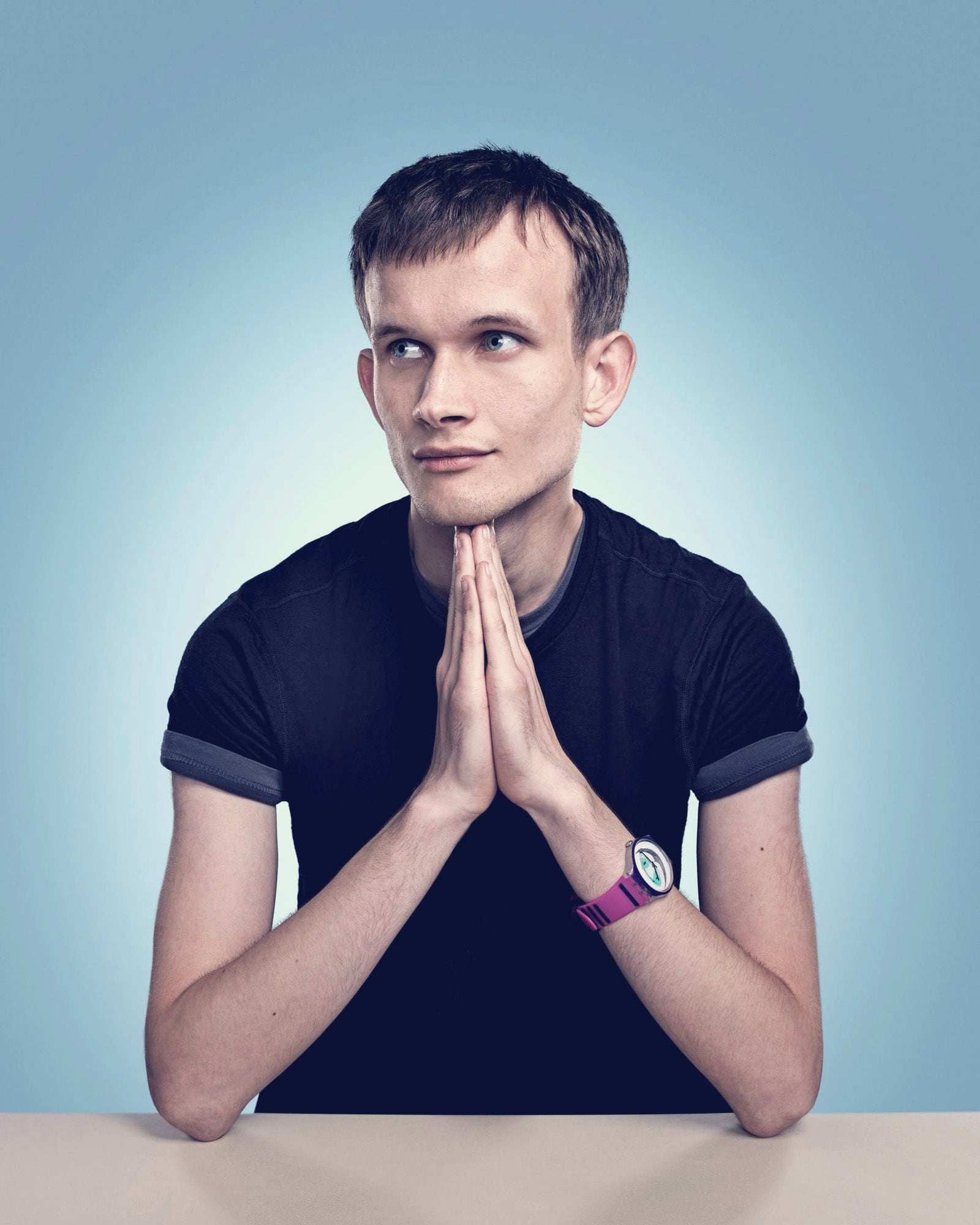
The University of Waterloo has a tidy way of describing the departure. Buterin, it says, studied computer science there, worked as a research assistant for the cryptographer Ian Goldberg, and in 2014 received a US$100,000 grant from the Thiel Fellowship “and subsequently left” to work on Ethereum full-time. The sentence leaves out the speed. Wikipedia dates the Ethereum white paper to November 2013. By mid-2014 the project had a fellowship, a foundation and a public sale. The student had become a project lead before the term was over.
He was not new to the field. According to the same Wikipedia account, he was approached in September 2011 to co-found Bitcoin Magazine, which is where many people first encountered him. Ethereum’s pitch was that Bitcoin was a calculator and the world needed a computer, a network on which anyone could deploy programs that nobody could switch off.
The sale
Dropping out gave him time. The sale gave the project money. In July 2014 Ethereum opened a public sale of its token, ether. According to Camila Russo’s account for CoinDesk, the sale started on July 22 and more than 7 million ether sold in the first 12 hours. By the end buyers had purchased more than 60 million ether, about $18.3 million. Buterin designed the allocation scheme, and his own share of the contributors’ endowment was about 553,000 ether. Russo reports he had lent more than half of his money to the Ethereum Foundation and had little left to invest in the sale himself.
This piece describes what happened. It does not recommend any token.
In 2018 Buterin received an honorary doctorate from the University of Basel, according to Wikipedia. In July 2024 he returned to Waterloo for a question-and-answer session with nearly 200 students, where he told them, in the university’s words, that “There’s a real focus right now on building amazing things,” and advised them to “Make sure you and your co-founders are aligned on values.”
What it is evidence of
Buterin is the archetype of a particular kind of dropout: not the founder who leaves to raise money, but the researcher who leaves because the work has outrun the syllabus. The Thiel grant, in that framing, functions less as a scholarship in reverse than as a salary for a thing that did not yet have an employer. The fellowship’s other flagship stories, including Dylan Field and Figma, tend to be about products. Buterin’s is about a protocol.
That distinction matters when assessing the model. Wikipedia’s summary of the fellowship’s record cites the Washington Post’s finding, dated October 2023, that 11 of 271 recipients had founded unicorns, and records sustained criticism: Larry Summers called the program “the single most misdirected bit of philanthropy in this decade” in 2013, and a 2021 Business Insider account described early mismanagement and fellows’ mental-health problems. The fellows who became household names are a thin slice of a larger group, and survivorship bias is the quiet engine of the whole genre.
Buterin’s case also carries a feature that is easy to miss. The Ethereum sale was a one-time event in a one-time regulatory window. Russo records that the project’s own foundation was barred from buying into it. A teenager today who left school to launch a token would be doing something different in kind, in a market that has since filled with imitators and enforcement actions. The path Buterin took exists as evidence, not as a template.
What does transfer is a habit: he had a public body of work before he asked anyone for money. Bitcoin Magazine, a white paper, a research assistantship in a university cryptography group. The credential he skipped, the degree, was substituted with other credentials that were, in his field, more legible. For most seventeen-year-olds, that substitution is the hard part, not the leaving.
Not financial advice.
Sources
- Ethereum co-founder Vitalik Buterin visits Waterloo, University of Waterloo, July 10, 2024
- Sale of the Century: The Inside Story of Ethereum's 2014 Premine, CoinDesk (via Yahoo Finance), July 13, 2020
- Vitalik Buterin, Wikipedia, January 1, 2026
- Thiel Fellowship, Wikipedia, January 1, 2026
Image: Forbes, Used with credit.