Three Debate Kids Priced Expertise by the Hour and Became Billionaires at 22
Mercor's founders rented out the world's professionals to AI labs. Then came the lawsuit, the breach, and a revenue line that kept doubling.
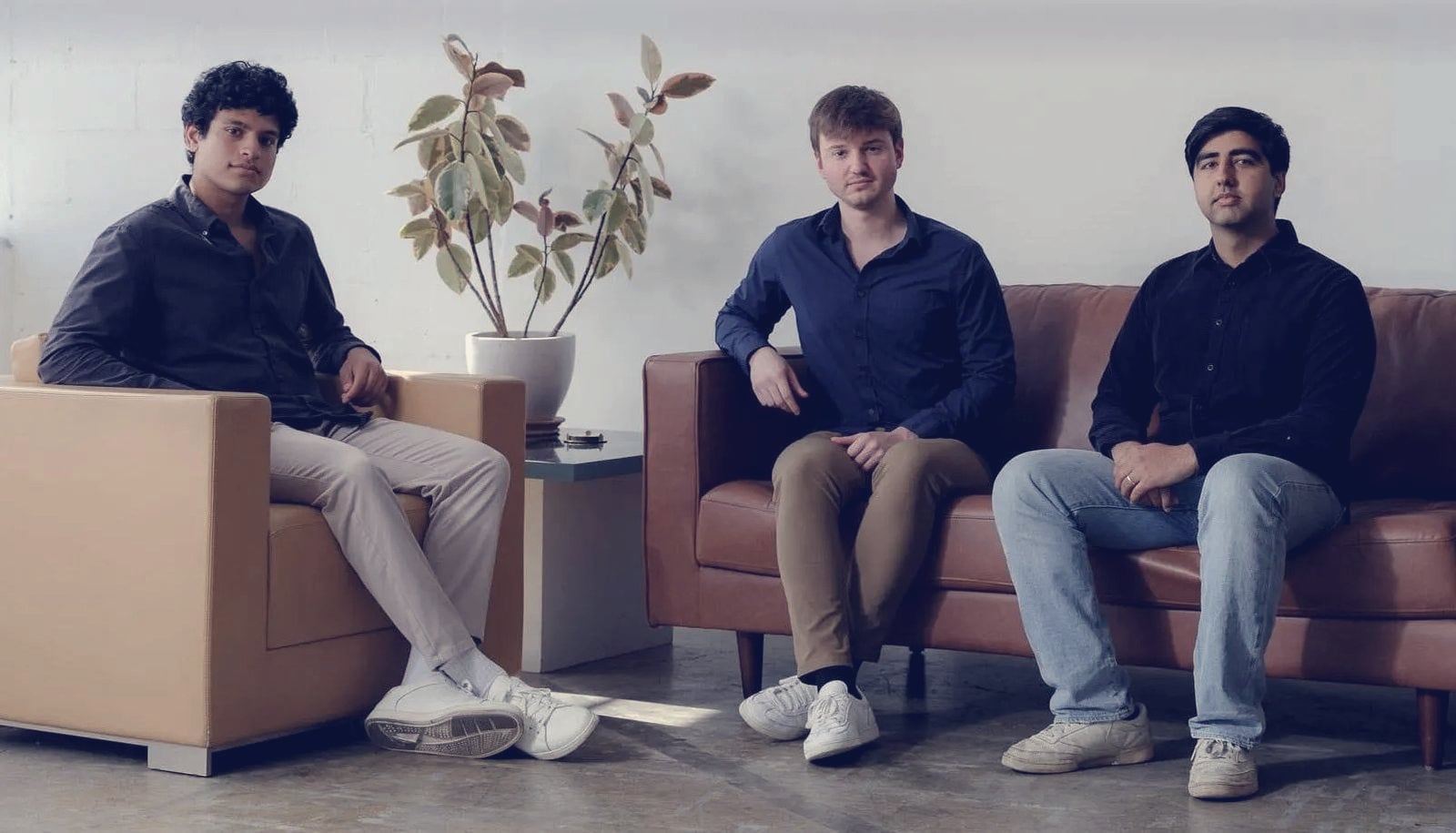
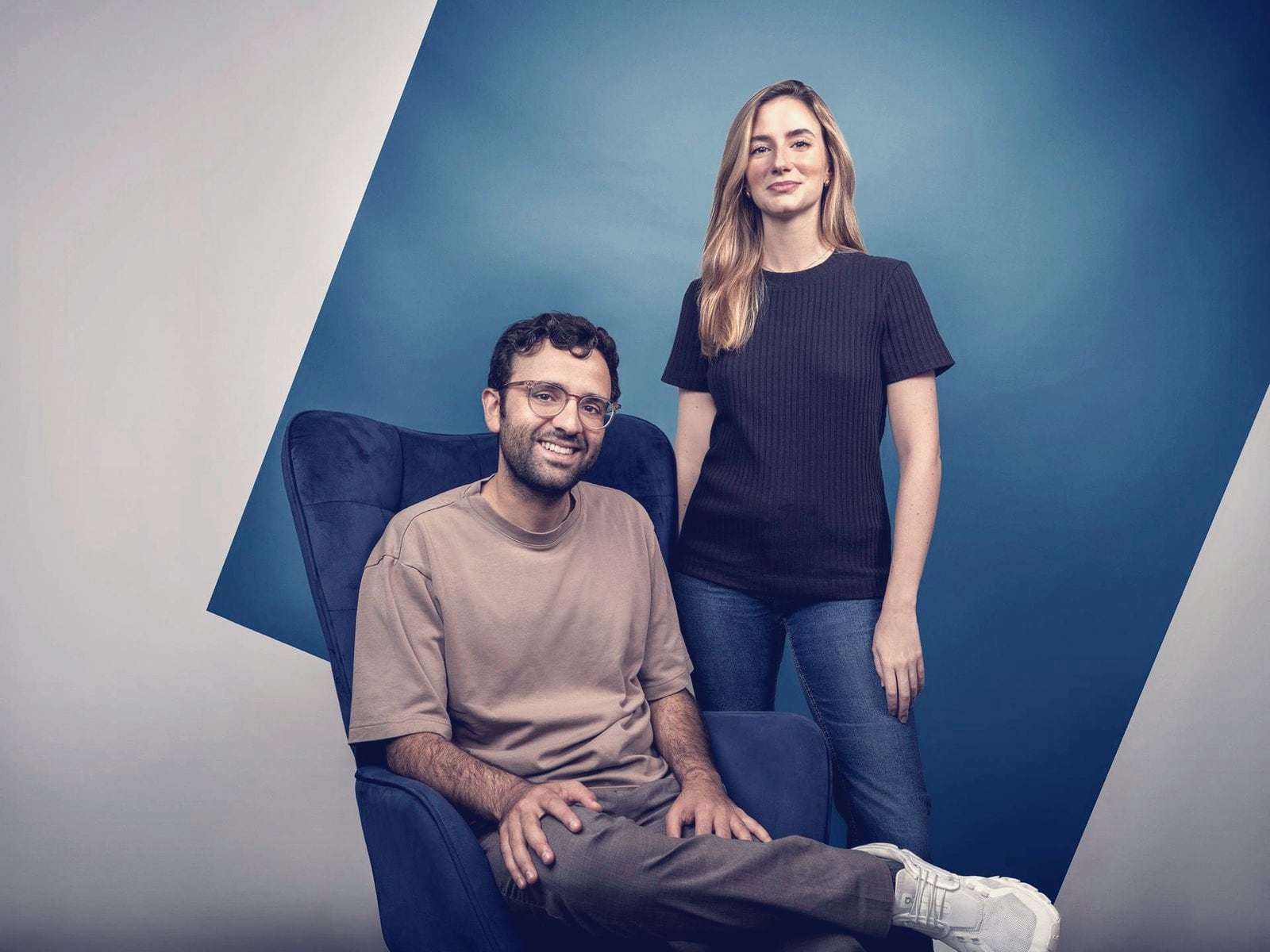
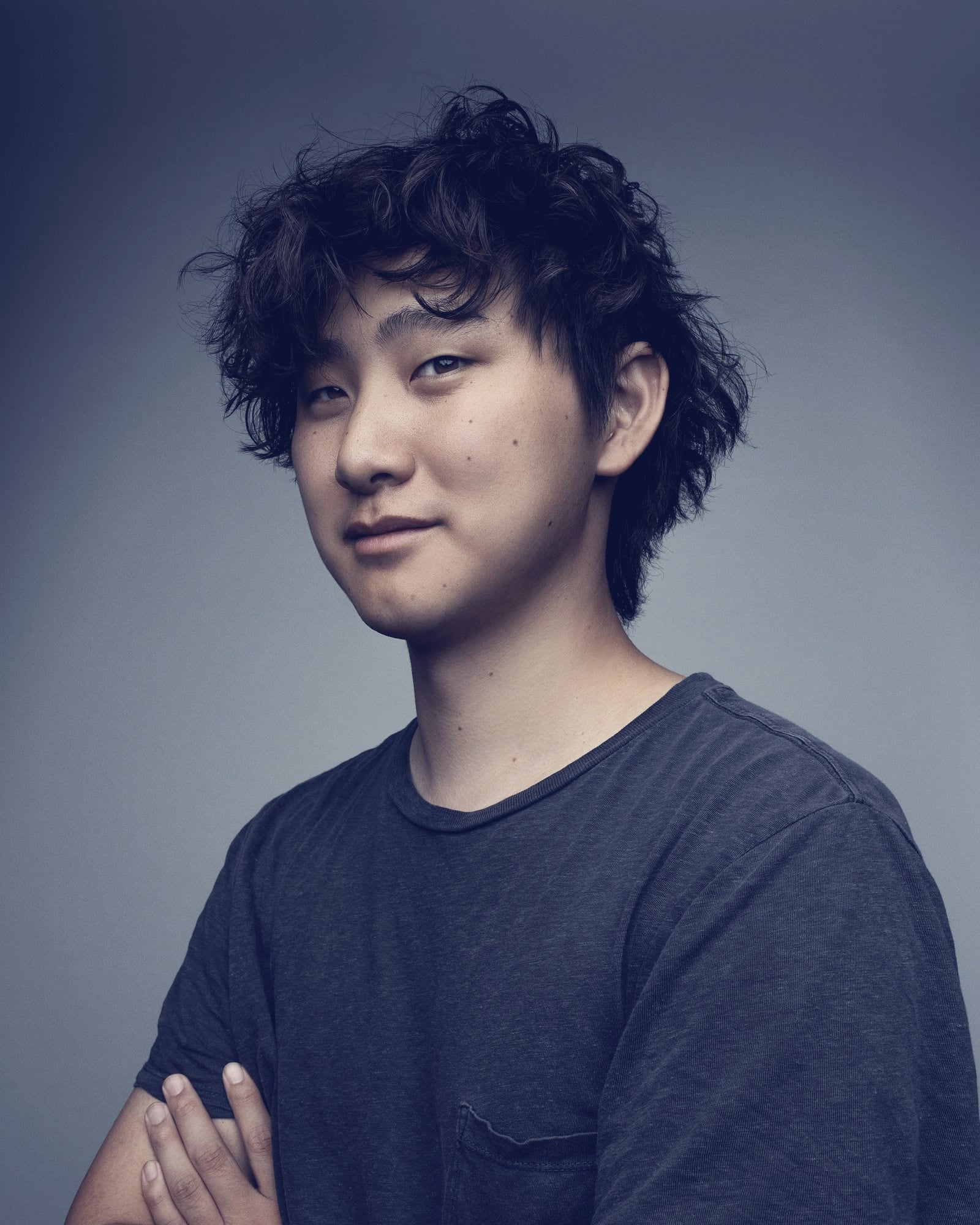
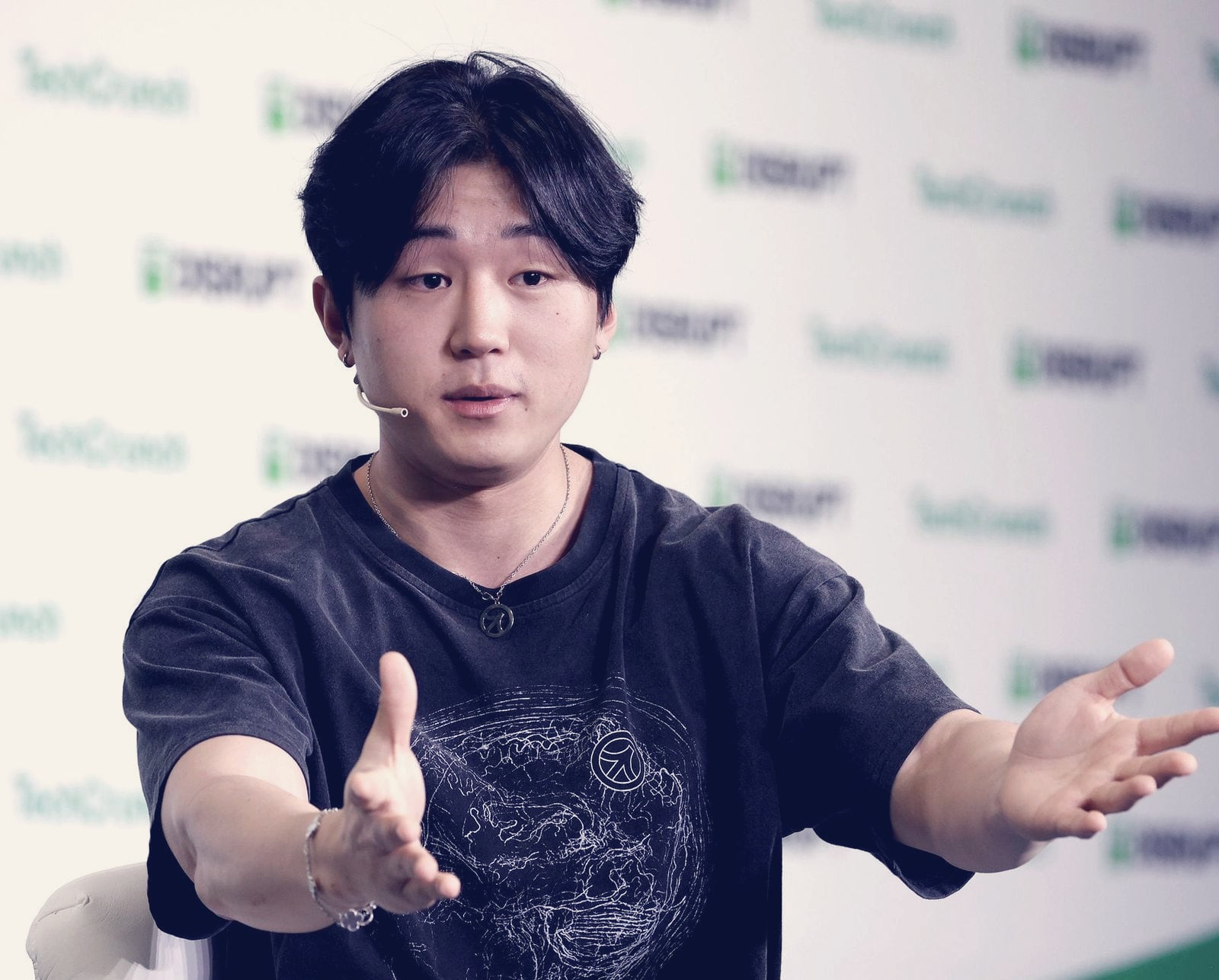
On the day Forbes ran its numbers, Brendan Foody told the magazine that the news “feels very surreal.” He also said he leaves the office around 10:30 p.m., six days a week. Foody, the chief executive of the San Francisco start-up Mercor, was 22. So were his two co-founders, Adarsh Hiremath and Surya Midha, and together they had just become, by Forbes’s estimate, the youngest self-made billionaires on record, each holding roughly 22 percent of a company that had been valued at $10 billion. Mark Zuckerberg, the previous benchmark for this sort of thing, was 23.
The founders are old friends. According to Forbes, Hiremath and Midha met at ten, in elementary-school debate tournaments, and Foody joined them in high school debate; Wikipedia places the trio on the speech and debate team of Bellarmine College Preparatory, in San Jose. All three became Thiel Fellows, which comes with a $100,000 grant for forgoing college. Hiremath did two years at Harvard first. “If I weren’t working on Mercor,” he told Forbes, “I would have just graduated college a couple months ago.”
A recruiting site that changed its mind
Mercor began in 2023 as a way to match freelance programmers in India with American companies, and built an AI-avatar interviewer to screen them. The pivot is the story. The labs building chatbots needed people who could grade the chatbots: physicians, lawyers, bankers, PhDs. Mercor became the broker. By the time of its Series C in October 2025, TechCrunch reported a roster of more than 30,000 experts earning over $85 an hour on average, and payouts above $1.5 million a day. Forbes put the annualized run rate at $500 million in September, up from $100 million in March. The round, $350 million led by Felicis, valued the company at five times its previous mark.
It kept going. In July 2026, TechCrunch reported that Mercor was in early talks to raise at $20 billion, with Foody saying on X that the run rate had passed $2 billion, a doubling in four months. That figure is the founder’s own, and the talks were reported from anonymous sources; neither has been independently confirmed in the pieces cited here.
The bill
The trade has costs, and they arrived on schedule. In September 2025, Scale AI sued Mercor, alleging trade-secret theft through a former Scale executive who allegedly shared more than 100 confidential documents. Asked about it, Foody said, “It’s not something we spend a lot of time thinking about.” Contractors interviewed by The Verge, New York Magazine and Wired, as summarized on Wikipedia, described stressful conditions, poor management and falling pay. In March 2026 a supply-chain attack on a software package was reported to have exposed internal data and contractor personal information; the Wikipedia entry says it prompted class-action suits and a pause from major clients including Meta. TechCrunch’s July piece notes that several contract workers sued.
The lawsuit and the breach are a reminder of what is being sold. Mercor does not make the intelligence; it rents the people who teach it. The margin lives in the gap between what a lab pays and what a contractor receives, and contractors are quicker to notice that gap than investors are.
What it is evidence of
Three things, none of them flattering to the conventional path.
First, that the AI boom has created a market for human judgment, and that a start-up can be the exchange for it. A senior lawyer who once billed by the hour to a firm now sells hours by the task to a model. Mercor sits in the middle and takes a cut.
Second, that the founders’ edge was social, not technical. Three friends who had been arguing against each other since childhood had a decade of shared context before they wrote a line of code. Speed in a young company is often just trust that was built before the company existed.
Third, the luck. Mercor’s growth is inseparable from a handful of customers, the large AI labs, whose appetite for expert data has been enormous and could change if synthetic data improves or their budgets tighten. Forbes marks the billionaire status at 22 percent of a private valuation, which is a paper figure set by investors who are themselves betting on the same few customers. Meta’s reported pause after the breach shows how fast one buyer can step back.
The older route for these three was a diploma and a first job. They skipped it, and by 22 they were running a business paying out more than a million dollars a day. Whether that is a durable company or a well-timed intermediary in a hot market is the question the next funding round will answer.
Sources
- Meet the world's three youngest self-made billionaires, Forbes, October 30, 2025
- Mercor quintuples valuation to $10B with $350M Series C, TechCrunch, October 27, 2025
- Mercor is in talks for a $20B valuation, TechCrunch, July 9, 2026
- Mercor, Wikipedia, July 9, 2026
Image: ULY Inc. for Mercor, via Forbes, Used with credit.